Blog
Chromium for Insulin Sensitivity: Studies, Amounts and the Label Gap
Chromium for insulin sensitivity has mixed evidence. NIH says a 1997 trial used 1,000 mcg a day, later studies were inconsistent, and FDA allows only a qualified claim it calls "highly uncertain" (NIH ODS, Chromium fact sheet for professionals). The Glyco Reset label lists 0.7 mcg, about 1,400 times less.
Written by the Glyco Reset label deskUpdated · 5 min read
Is chromium for insulin sensitivity backed by studies?
The studies are mixed, so the honest answer is not yet. NIH says later studies were inconsistent and FDA allows only a qualified claim, rated "highly uncertain" (NIH ODS, Chromium fact sheet for professionals).
The trial NIH describes gave 1,000 mcg a day of chromium picolinate to 180 adults. The Adequate Intake is only 20 to 35 mcg a day. The trial used 1,000 mcg a day, about 1,400 times the 0.7 mcg on a Glyco Reset label; no trial tested this bottle, and the result cannot be assumed to apply to it.
NIH does not report chromium deficiency in healthy people, so no one needs to chase a number. The chromium page has more on the mineral.
How far is the label amount from the studied amount?
The bars show the gap between each label amount and the amount in the source we read. They are not a dose chart.
The studies used a different product, group and time span. Compare the shapes, not the numbers.
The comparison. NIH describes a 1997 trial of 1,000 mcg a day of chromium picolinate in adults with type 2 diabetes. The Adequate Intake is 20 to 35 mcg. (NIH ODS, Chromium fact sheet for professionals)
Read it with care. The studied amount comes from a different product, group and time span. It is not a recommended or effective dose, and no trial tested Glyco Reset.
The comparison. LiverTox gives a typical gymnema supplement amount of 400 mg three times daily. The label's 200 mg is shared by twenty-one names. (LiverTox, Gymnema)
Read it with care. The studied amount comes from a different product, group and time span. It is not a recommended or effective dose, and no trial tested Glyco Reset.
The comparison. LiverTox describes liver injury cases at about 800 mg to 1.8 g of extract a day. The whole blend is 200 mg. (LiverTox, Green Tea)
Read it with care. The studied amount comes from a different product, group and time span. It is not a recommended or effective dose, and no trial tested Glyco Reset.
Each full bar is the daily amount used in the one study or reference we cite. The filled part is the most the label could give per dropper: the whole 200 mg blend is shared by 21 names, so any one plant is a fraction of that. The label also does not say whether each name is a powder or an extract, so even this comparison is rough.
What do the chromium sources say side by side?
They agree on one point: results are small, mixed and tied to much larger amounts than a label like this one.
| Source | What it says | What it does not show |
|---|---|---|
| 2007 review (Balk 2007, Chromium and glucose metabolism (review)) | HbA1c averaged 0.6 points lower across trials in type 2 diabetes | Almost half the trials were poor quality. No benefit without diabetes. |
| NCCIH (NCCIH, Diabetes and Dietary Supplements) | Chromium studies are small and inconsistent | A clear conclusion |
| Glyco Reset label | Chromium (as picolinate) 0.7 mcg, 2% DV | Any product trial |
Who should ask a doctor before taking chromium?
Anyone on diabetes medicine, thyroid medicine or with kidney or liver disease should ask first. NIH lists case reports and possible interactions (NIH ODS, Chromium fact sheet for professionals).
- Insulin: NIH says chromium with insulin could raise the risk of low blood sugar.
- Metformin and other diabetes medicines: effects may add together.
- Levothyroxine: a small study found absorption was reduced.
- Kidney or liver disease, pregnancy or nursing: ask a physician first.
Keep taking prescribed medicine, and tell your pharmacist about every supplement.
Where does the Glyco Reset label stand on chromium?
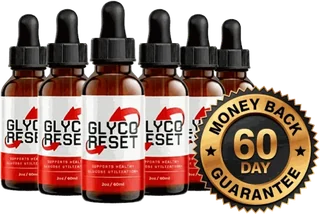
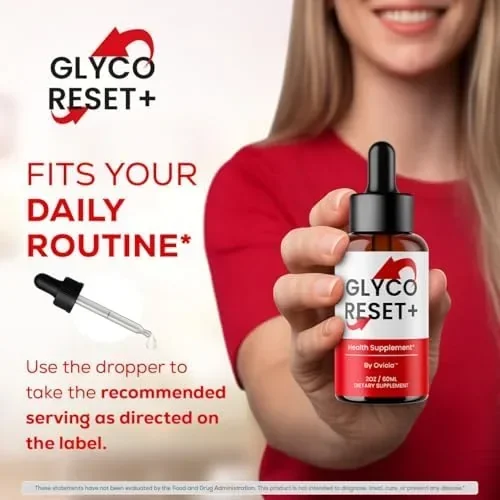
The Glyco Reset label prints chromium (as chromium picolinate) 0.7 mcg, which is 2% of the Daily Value, plus a 200 mg blend of 21 names with no split.
That is a small amount next to the studied one, and the blend adds plant extracts whose amounts are unknown. Check the whole Supplement Facts before you decide.
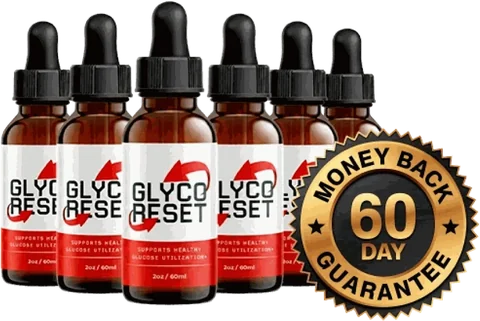
The sales page lists three bottles at $177 and six bottles at $294. One bottle is listed as a 30-day supply at one dropper a day. Confirm the price, shipping and the guarantee at checkout.
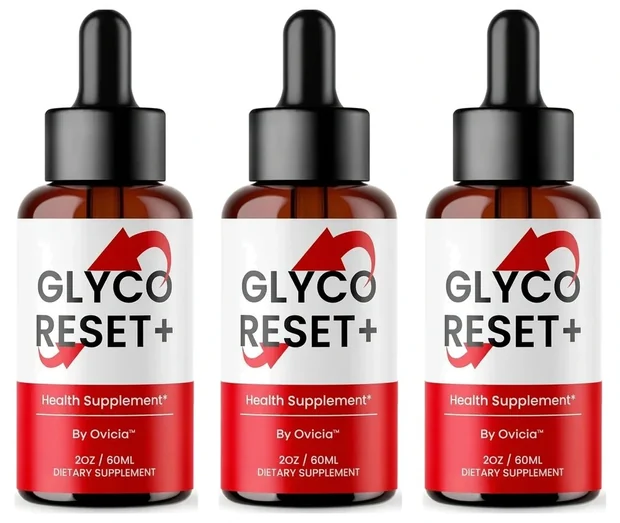 3 bottles
90-day supply
3 bottles: 90-day supply
$177$59 a bottle
Shipping shown at checkout · Guarantee terms at checkout
Order 3 bottles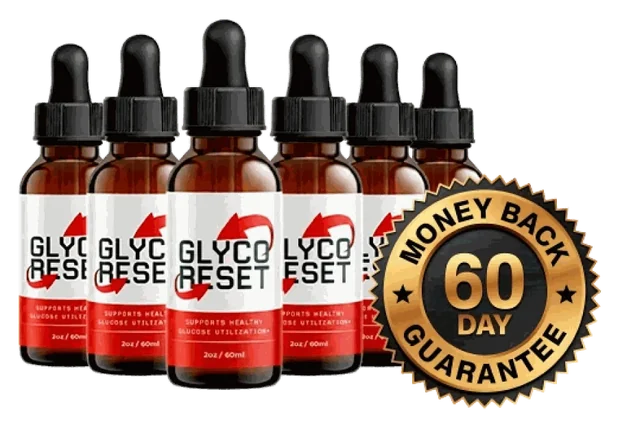 6 bottles
180-day supply
6 bottles: 180-day supply
$294$49 a bottle
Shipping shown at checkout · Guarantee terms at checkout
Order 6 bottlesPrices are confirmed at checkout. Check with your pharmacist first if you take any medicine.
FAQ01
Glyco Reset questions people ask
What is the Adequate Intake for chromium?
NIH lists 20 to 35 mcg a day depending on age and sex: 35 mcg for men 19 to 50, 25 mcg for women 19 to 50, and lower amounts after 50. The Daily Value on labels is 35 mcg.
Is the chromium in Glyco Reset enough to matter?
We cannot say. The label lists 0.7 mcg, about 2% of the 35 mcg Daily Value, and no study has tested the bottle. The chromium trials used far larger amounts.
Does chromium interact with insulin?
NIH says chromium taken with insulin could raise the risk of low blood sugar. Ask your doctor or pharmacist before adding it, and keep taking prescribed medicine.
Why does FDA call the chromium claim highly uncertain?
NIH reports that FDA allows only a qualified claim linking chromium picolinate to insulin resistance or type 2 diabetes, stating the link is highly uncertain, because study results were inconsistent.
Who wrote this02
Written and reviewed by
Pages built from the bottle label and linked NIH, CDC, FDA, FTC and peer-reviewed sources.
Last updated . Read our editorial standards and how we check reviews. This website is the information site of a U.S. stocking partner for Glyco Reset. It is not the manufacturer, and it is not the brand's sales page. We earn money when you buy through our order links.
Keep reading
More about Glyco Reset
U.S. stocking partner
Ready to try Glyco Reset?
Read the panel on your bottle, check with your pharmacist if you take any medicine, then pick a pack. Every pack carries the brand's money-back guarantee; confirm the terms at checkout.
- Order on the brand's order desk
- Money-back guarantee (confirm terms)
- Shipping shown at checkout