Guide
Sugar Crash: What It Feels Like, Why It Happens and When to Act
A sugar crash is a popular name for the shaky, tired or foggy feeling some people get hours after eating. It is not a medical term. True low blood sugar is a reading of 70 mg/dL or lower, and severe low blood sugar, fainting or a seizure is an emergency: call 911. A doctor can tell the two apart.
Written by the Glyco Reset label deskUpdated
The term01
What is a sugar crash?
A sugar crash is an everyday phrase for a drop in energy after eating, often sweets or refined carbs. It is not a diagnosis, and no test is named for it.
Low blood sugar, called hypoglycemia, is the medical term. Mayo Clinic says a reading of 70 mg/dL or lower is usually a sign of it (Mayo Clinic, Hypoglycemia).
The two can overlap, but a slump by itself does not prove low blood sugar. Only a reading taken at the time shows what your level was.
The signs02
What does a sugar crash feel like?
A sugar crash often feels like shakiness, sweating, hunger, a fast heartbeat, a foggy head and a wave of tiredness. These are also the early signs of low blood sugar (Mayo Clinic, Hypoglycemia).
The symptoms of a sugar crash are not specific. Stress, a missed meal, heat and illness can feel the same, so a feeling alone does not give you the cause.
| Level | What people report | What to do |
|---|---|---|
| Early | Shaky, sweaty, hungry, fast heartbeat, anxious | Follow the plan your care team gave you (MedlinePlus, Low blood sugar) |
| Worsening | Confusion, blurred vision, trouble speaking, clumsiness | Treat now, and get help if it does not improve |
| Severe | Fainting, seizure, cannot be woken | Emergency. Call 911 (Mayo Clinic, Hypoglycemia) |
The medical side03
What is reactive hypoglycemia?
Reactive hypoglycemia is the name doctors use for low blood sugar that shows up after a meal, usually within a few hours. Only a clinician can say whether you have it.
We found no source we read that details it, so this guide stops at the definition. Ask your doctor what testing fits if crashes are frequent.
The cause people most often meet is different. Diabetes medicines are the most common cause of low blood sugar (Mayo Clinic, Hypoglycemia). That is why people on insulin or similar medicine learn their own warning signs.
If the slump comes often, wakes you at night or follows a pattern, book a visit and write down when it happens, what you ate and any medicines taken.
What to do04
What should you do during a sugar crash?
If you have diabetes or take diabetes medicine, follow the low blood sugar plan your care team gave you. MedlinePlus lists treatments such as fast-acting sugar, then a recheck (MedlinePlus, Low blood sugar).
If you do not have diabetes and feel a slump, sit down, eat a balanced snack and note what you ate. If it keeps happening, ask for a medical check.
Stop and sit
Do not drive or climb a ladder while shaky or confused.
Treat as your plan says
People with diabetes should use the plan from their care team.
Recheck and note it
Write down the time, the reading if you have one, and what you ate.
Call if it does not pass
MedlinePlus says to call 911 if someone is less alert or cannot be woken, and not to drive yourself if you are not improving (MedlinePlus, Low blood sugar).
When to act05
When is low blood sugar an emergency?
Fainting, a seizure, or being unable to wake someone is an emergency. Call 911 (Mayo Clinic, Hypoglycemia).
MedlinePlus puts severe symptoms such as seizures usually below 54 mg/dL (MedlinePlus, Low blood sugar). Only blood tests diagnose diabetes, but a low reading is still a reason to get care.
Keep taking any prescribed medicine, and ask your doctor or pharmacist about every supplement (MedlinePlus, Metformin). Never skip or change medicine because of a crash.
- See a doctor soonIncreased thirst, frequent urination, unusual tiredness, blurred vision, or repeated shakiness after meals.
- See a doctor the same dayReadings of 70 mg/dL or lower more than once, or low-sugar signs that keep coming back.
- Stop and call your doctorA racing or uneven heartbeat, new swelling, severe headache, yellow skin or eyes, or dark urine after starting any supplement.
- Emergency room or 911Fainting, a seizure, severe confusion, trouble breathing, or low blood sugar that does not come up after treatment.
Signs drawn from public health and clinic sources (Mayo Clinic, Hypoglycemia) (MedlinePlus, Low blood sugar) (LiverTox, Green Tea). This list is not complete, and a supplement is never a reason to wait.
Supplements06
Can a supplement cause low blood sugar?
Some can, especially with diabetes medicine. The American Diabetes Association says certain ingredients could intensify the effects of diabetes medicines (ADA, Vitamins, Minerals, and Supplements (diabetes.org)).
NIH lists case reports of low blood sugar with chromium, and says chromium taken with insulin could raise that risk (NIH ODS, Chromium fact sheet for professionals). The FDA also found a product sold for blood glucose that held undeclared glyburide, a drug that can cause severe lows (FDA, SugarMD Advanced Glucose Support (hidden drugs)). That alert covered one other product and says nothing about Glyco Reset.
Bring every bottle to your pharmacist. See medicine interactions for a checklist.
The product07
How does Glyco Reset relate to a sugar crash?
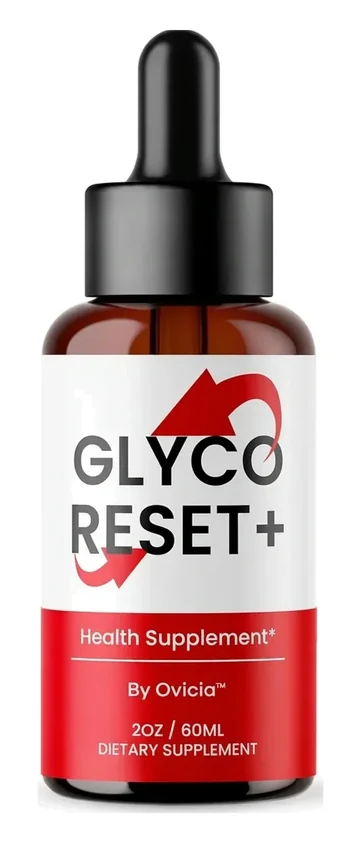
Glyco Reset is a dietary supplement sold as drops, and it is not a treatment for a sugar crash. No study tested it.
The label lists chromium at 0.7 mcg and a 200 mg blend of 21 names, among them gymnema, which LiverTox says brought blood sugar down in lab and animal studies (LiverTox, Gymnema). No amounts are printed per name. It also lists green tea and guarana, which carry caffeine in an amount the label does not give.
If you take diabetes medicine, show the label to a pharmacist before the first dropper. See the ingredient list for each name.

FAQ08
Sugar crash questions
Is a sugar crash the same as hypoglycemia?
Not always. A sugar crash is an everyday name for a slump after eating. Hypoglycemia is a reading of 70 mg/dL or lower. The feelings overlap, so only a reading at the time, or a doctor, can tell them apart.
How long does a sugar crash last?
We found no source that gives a length, and it varies by person and cause. MedlinePlus advises treating low blood sugar and rechecking. If a slump keeps coming back, or does not pass, see a doctor.
Can you get a sugar crash without diabetes?
A slump after eating can happen to anyone, and low blood sugar can occur without diabetes. Mayo Clinic notes diabetes medicines are the most common cause. If crashes repeat, ask your doctor for a check.
What are the first signs of low blood sugar?
Shakiness, sweating, hunger, a fast heartbeat and anxiety come first. Confusion and blurred vision can follow. Fainting or a seizure is an emergency, so call 911 and do not wait.
Does eating sugar fix a sugar crash?
For true low blood sugar, MedlinePlus lists fast-acting sugar as treatment. For a simple slump, a balanced snack may be enough. People on diabetes medicine should follow the plan from their care team.
Can Glyco Reset prevent a sugar crash?
No source we read tests Glyco Reset, so no one can say. It is a supplement, not a medicine. If you take diabetes medicine, ask a pharmacist first, since some ingredients can add to low blood sugar.
Who wrote this09
Written and reviewed by
Pages built from the bottle label and linked NIH, CDC, FDA, FTC and peer-reviewed sources.
Last updated . Read our editorial standards and how we check reviews. This website is the information site of a U.S. stocking partner for Glyco Reset. It is not the manufacturer, and it is not the brand's sales page. We earn money when you buy through our order links.
Keep reading
More about Glyco Reset

U.S. stocking partner
Ready to try Glyco Reset?
Read the panel on your bottle, check with your pharmacist if you take any medicine, then pick a pack. Every pack carries the brand's money-back guarantee; confirm the terms at checkout.
- Order on the brand's order desk
- Money-back guarantee (confirm terms)
- Shipping shown at checkout